Vitamin D, Zinc and the Rest: A Sensible Winter Supplement Basket for 2026
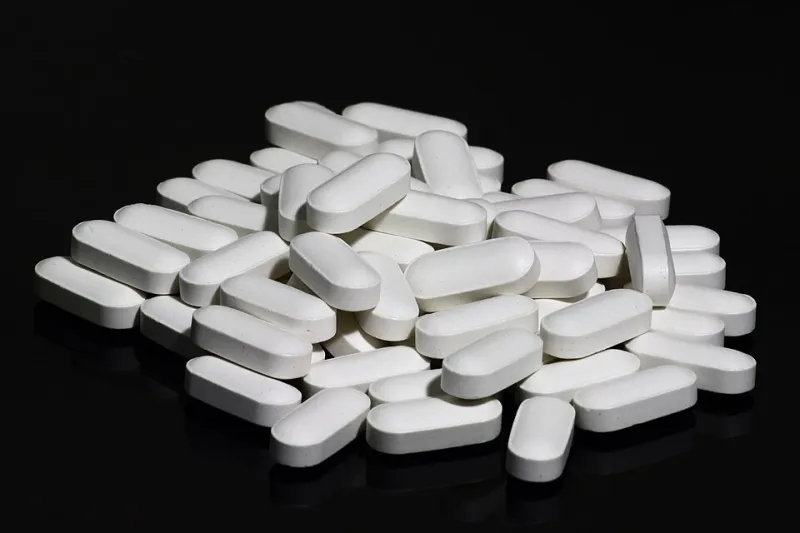
Photo: Ragesoss, CC BY-SA 4.0, via Wikimedia Commons
Walk into a pharmacy in November and the cold-season aisle can feel like a shouting match. Vitamin D, zinc, elderberry, echinacea, multivitamins, effervescent tablets and sprays all promise to keep you well through winter. Some of these products have a reasonable place. Others are mostly marketing. The useful question for UK shoppers in 2026 is not whether supplements are good or bad in general, but which ones are worth your money and who is most likely to benefit.
The clearest public-health case: vitamin D
Vitamin D is the supplement with the strongest UK public-health advice behind it. The NHS recommends that adults and children consider taking a daily supplement containing 10 micrograms, or 400 IU, of vitamin D during autumn and winter. This is not because vitamin D prevents every cold, but because sunlight in the UK is too weak for most people to make enough vitamin D in those months. People who spend a lot of time indoors, cover their skin, have darker skin or are older may be advised to take it all year. The key point is dose and cost. A plain own-brand vitamin D supplement is usually much cheaper than a heavily marketed spray or gummy, and it does the same job. Compare the price per dose rather than the size of the bottle.
Zinc: modest help in a narrow window
Zinc lozenges have been studied for colds, and the evidence is mixed but not hopeless. Some trials suggest that taking zinc within the first day or so of cold symptoms may shorten a cold slightly. It is not a reliable way to prevent colds, and high doses can cause nausea and interact with some medicines, including antibiotics. Taking large amounts for a long time can also affect copper levels. If you want to try zinc lozenges, follow the label, keep it short-term and ask a pharmacist if you take regular medication. Food sources such as beans, nuts, seeds, meat and dairy are a sensible everyday baseline.
Elderberry: promising, but patchy
Elderberry products are everywhere, often with bold claims about colds and flu. The evidence is interesting but limited. Some small studies suggest elderberry may reduce the duration of cold symptoms, but the products tested vary, and some research has been funded by the industry. It is not a cure, and it is usually one of the more expensive items on the shelf. If you enjoy an elderberry syrup and can afford it, it is unlikely to do harm for most people, but it should not push out basics such as vitamin D or a decent food shop. Frozen berries in porridge or yoghurt are a cheaper way to add colour and flavour.
Echinacea: mixed evidence, limited routine role
Echinacea has been used for decades, but the evidence remains mixed. Some trials show a small reduction in cold duration or severity, while others show no clear benefit. Products differ in which part of the plant they use and how it is prepared, which makes the research hard to compare. Echinacea can also cause allergic reactions in people sensitive to the daisy family. It is not something we would suggest buying routinely, especially if your budget is tight.
Who may actually benefit?
The person most likely to benefit from a supplement is someone with a genuine need, not someone who has been persuaded by a shelf display. Vitamin D is the obvious example for many people in the UK during winter. A doctor may also recommend other supplements if a blood test shows a deficiency. Pregnancy, older age and some medical conditions change the advice, so it is worth checking with a GP, midwife or pharmacist rather than guessing. Children have their own vitamin D recommendations, and flu vaccination is a separate conversation worth having if you are eligible.
A smarter winter basket
If you want to spend a little on supplements, keep it simple. A basic vitamin D supplement is the first thing to consider for many adults. Do not stockpile dozens of products, and do not assume a multivitamin is necessary if you already eat reasonably well. Compare own-brand labels and price per dose. Spend the rest of your budget on food that supports everyday health: frozen vegetables, tinned fish, eggs, oats, yoghurt, lentils, nuts and citrus fruit. Sleep, movement, handwashing and ventilating rooms are unglamorous, but they are part of the picture too. No supplement can replace those basics.
The bottom line
For many UK adults, vitamin D is the winter supplement with the clearest case. Zinc may help a little if taken early, but it is not a guarantee. Elderberry and echinacea are optional at best, and the evidence does not justify stretching a tight budget for them. If you are unwell and symptoms are severe, lasting or worrying, speak to a pharmacist or GP. At Nutritio, we would rather see you spend on a good winter food shop and a reliable vitamin D tablet than a shelf full of products making promises they cannot keep.