Mince Pie Season Doesn't Need a January Reboot: Smarter Festive Eating Starts in November
By the first week of November 2026, the Christmas aisles are already doing their thing. Tubs of chocolates are stacked by the entrance, mince pies have appeared next to the sandwiches, and the office email about the party has probably landed. It is easy to feel that the festive season is a test you either pass or fail, with January waiting as the punishment. But you do not need a dramatic reset to get through it well. Small, repeatable habits started now will do more than a heroic detox later.
The January reset is a shaky plan
The save-it-for-January mindset sounds sensible because it delays the problem. In practice, it often turns the next eight weeks into a long goodbye to normal eating. You skip breakfast because there will be cake at 11am. You have a big night out and write off the next day. Then January arrives and the only plan is to be stricter than before. That cycle is exhausting, and it rarely lasts.
A more useful idea is to keep a few anchors in place. You are not aiming for a perfect Advent calendar of broccoli. You are aiming to come out of December feeling like yourself, not like someone who needs to be fixed.
Start with the buffet, not the detox
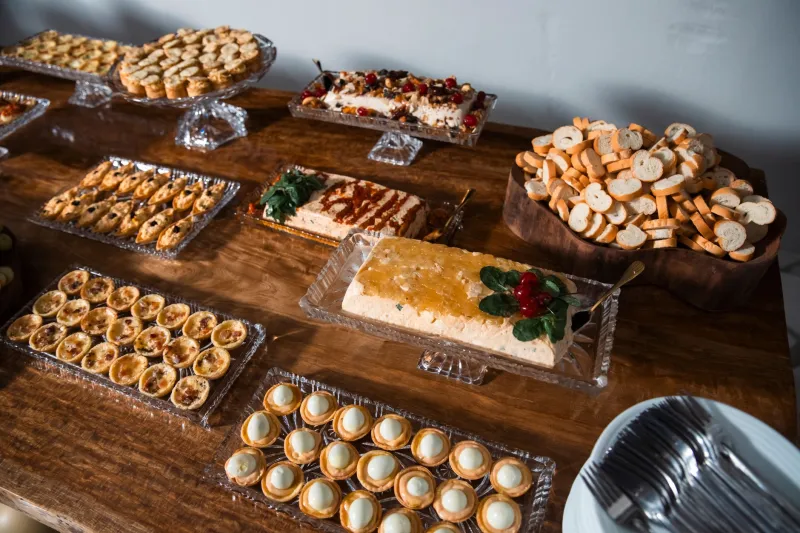
Christmas parties are usually where the all-or-nothing thinking kicks in. Buffet tables are designed to be tempting, and that is fine. The practical move is to look before you load. Do one lap, decide what you actually want, then fill most of your plate with the things that will keep you comfortable: sandwiches, veg sticks, hummus, cheese, cold meats, pickles, a few crisps if you fancy them. Then add the smaller, richer bits you really like.
This is plate-balancing, not restriction. Fibre-first choices such as wholemeal bread, beans, lentils, vegetables and fruit help with fullness, which makes it easier to enjoy the mince pie without eating six because you are still hungry. Protein does a similar job. A plate with a bit of both is a sturdier base than a plate of canapés and good intentions.
Plan the treats you actually want
Treat culture gets odd in December. Food becomes a gift, a reward, a social obligation and a mark of the season all at once. Someone brings in a tin of biscuits, the supermarket has a festive version of everything, and suddenly you are eating things you do not even particularly like because they are there.
A planned treat is different from a passive one. Decide what is worth it to you: the proper mince pie from the bakery, the mulled wine at the market, the Christmas pudding on the day itself. Then let the random office chocolates and sad party vol-au-vents go. This is not about earning or burning off food. It is about noticing what you genuinely enjoy and not spending your appetite on the rest.
Alcohol needs a pace, not a lecture
Mulled wine, prosecco and party rounds are part of many people's December. You do not have to opt out to be sensible. Alternate an alcoholic drink with water or a soft drink, eat something with fibre and protein before a big night, and decide in advance how you want to get home. A hangover often leads to skipped meals, more caffeine and a day of grazing, so pacing is practical self-care rather than a rule.
At the office and in the supermarket
Office treats are easier to handle if you are not making decisions on an empty stomach. Keep something straightforward at your desk, such as fruit, yoghurt or oatcakes, so the tin of Celebrations is not the only option at 3pm. You can still have one. The point is that it is a choice, not a reflex.
In the supermarket, avoid buying the entire festive range in one triumphant trolley. Pick a few things you love and leave the rest on the shelf. Frozen vegetables, tinned beans, plain yoghurt, oats, nuts and wholemeal bread are all useful to have around between parties. They make the ordinary meals between the big ones feel normal, which is exactly what you want.
Small habits beat a festive blowout
The festive season is not a food exam. You will have days that are heavier on mince pies and lighter on vegetables, and that is part of normal eating. What matters is what happens on the other days. A bowl of porridge before a party, a glass of water between drinks, a plate that has some fibre and protein on it, a walk after lunch: these are small moves, but they add up.
Start now, in early November, not on 1 January. Not because you need to be good, but because you want to enjoy Christmas 2026 without treating the whole season as a countdown to punishment. The best festive plan is one you can keep going through the parties, the quiet nights in and the leftover turkey sandwiches.