Sunday Roast, Sorted: Smart Tweaks for a Balanced British Plate
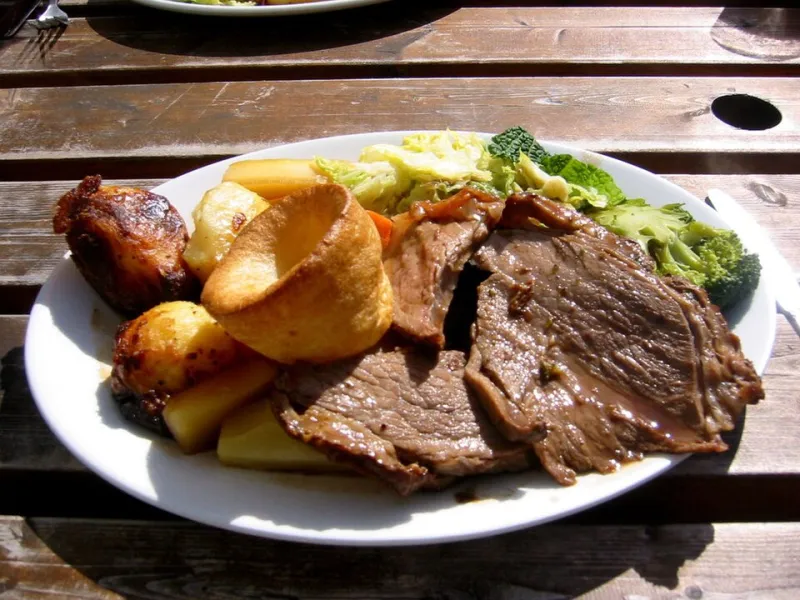
Photo: Jeremy Keith (Flickr user "adactio"), CC BY 2.0, via Wikimedia Commons
Sunday roast is one of the great British rituals. It is also the meal most likely to make people feel they have somehow failed at healthy eating before the week has even started. At Nutritio, we are not in the business of banning Yorkshire puddings or pretending gravy is a crime. The better question is simpler: how do you build a roast that leaves you satisfied, includes plenty of vegetables and still fits the way you want to eat most of the time?
Start with the plate, not the panic
A useful starting point is the old plate model, adapted for a roast. Aim for roughly half the plate to be vegetables, a quarter to be protein and a quarter to be potatoes or other starchy carbohydrates. That does not mean weighing every carrot. It means serving vegetables first, putting a modest amount of meat or another protein on the plate and then adding a couple of roast potatoes and a Yorkshire pudding. Using a slightly smaller plate can help, too. So can putting gravy in a jug rather than pouring it over everything at the table.
Vegetables deserve top billing
The roast is a brilliant vehicle for vegetables, and variety matters more than perfection. Carrots, parsnips, cabbage, Brussels sprouts, greens, peas, broccoli and cauliflower all work. Frozen vegetables are just as useful as fresh and often cheaper, especially in winter. Try roasting some vegetables with a little oil and steaming or boiling others so the plate has different textures. Pickled red cabbage or a spoonful of sauerkraut can add a sharp, fresh note. Cauliflower cheese counts as a vegetable dish, but the sauce can be rich, so it is worth treating it as one component rather than the only vegetable on the plate. Aim for two or three different vegetables, and let them take up real space.
Protein: choose what you enjoy
Chicken, beef, pork, lamb, fish, nut roast, beans or a mix of pulses can all sit at the centre of a roast. A palm-sized portion of meat is a practical guide for many adults, but appetite varies. Leaner cuts and removing visible fat can help if that is your goal, though you do not need to strip all the flavour out of the meal. If you are cooking for vegetarians, make sure there is a decent protein source such as lentils, beans, nuts or a well-made nut roast rather than relying on cheese alone. Mixing a smaller amount of meat with extra vegetables or pulses is another easy way to stretch the meal and the budget.
Potatoes and puddings: keep the joy
Roast potatoes are not the enemy. Parboil them, rough up the edges, use a measured amount of oil and give them a hot oven. You do not need a lake of fat to get a crisp result. Yorkshire puddings are made from flour, egg and milk, and they are part of the pleasure of the meal. Making them a little smaller, or serving one or two rather than an unlimited supply, is a realistic tweak. If you are cooking for a crowd, a slightly smaller tin can help with portion control without turning the meal into a lecture.
Gravy and condiments
Gravy can be homemade and still light. Use the vegetable cooking water, a little stock and some cornflour, and skim off any obvious fat from meat juices. Herbs, black pepper, mustard or a splash of wine can add flavour without needing lots of salt. Low-salt stock is a sensible shortcut. Condiments such as cranberry sauce, apple sauce or horseradish are fine in small amounts, but they can add up if you have several spoonfuls of each. Put them in small dishes and let people help themselves.
Leftovers: the Monday win
A roast is even better when it feeds you again during the week. Cool leftovers quickly, put them in the fridge within two hours and reheat until steaming hot. Bubble and squeak made with leftover potatoes and cabbage is a classic for a reason. Roast vegetables can become a frittata, a traybake or a soup. Leftover meat can go into sandwiches, wraps, curry or a salad. The carcass of a chicken can become stock for soup, which is a good use of money and flavour. Freeze portions if you know you will not eat them within a couple of days.
A relaxed roast is a good roast
The point of a Sunday roast is not to score it. It is to sit down, eat something enjoyable and come away feeling fed rather than stuffed. Some weeks will be heavier on vegetables, some weeks will have more gravy, and that is fine. One meal does not define your whole diet. If you are hosting, offer plenty of vegetable dishes and a meat-free option so everyone can build a plate that works for them. At Nutritio, we think that is a much more useful approach than guilt.