No Nine-to-Five Plate: Eating Well Through Nights, Earlies and Everything Between
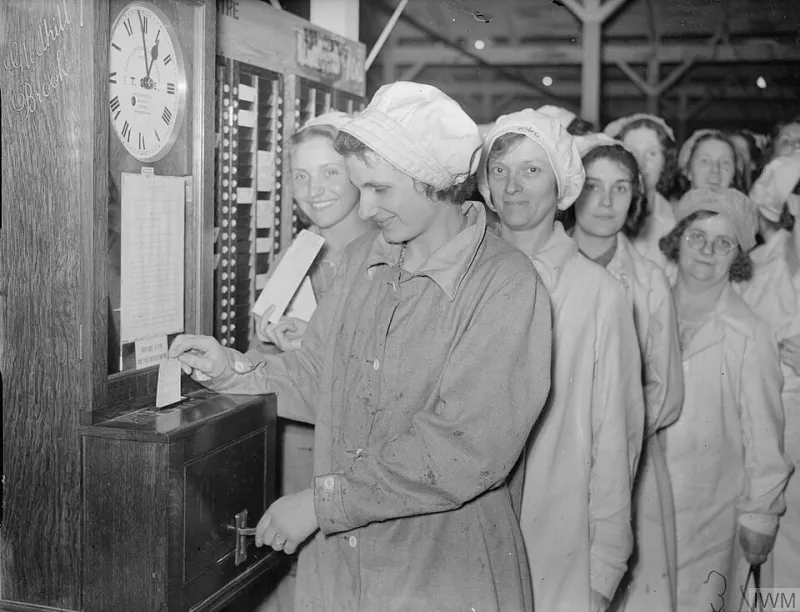
Photo: Ministry of Information Photo Division Photographer, Public domain, via Wikimedia Commons
If your working week runs on earlies, lates, twilights or twelve-hour stretches, the usual advice to eat three balanced meals at set times can feel like a luxury from another planet. Shift work is not a failure of routine. It is a different routine, and your food needs to bend with it rather than snap.
The aim here is not a perfect meal-prep Sunday or a colour-coded Tupperware stack. It is a handful of flexible habits that keep you fed, reasonably energised and not living on vending-machine crisps by Thursday. Whether you are on an NHS ward, a warehouse pick line, a hotel kitchen, a care home rota or a retail shop floor, the principles are much the same.
Start with anchors, not a timetable
Instead of fixing breakfast at 7am and lunch at noon, think in anchors. Most shift workers do well with one proper meal that contains protein, a fibre-rich carbohydrate and some fruit or veg, plus two or three smaller supports around it. On nights, that main meal might be before your shift rather than in the middle of it. On earlies, it might be dinner at 4pm. The clock matters less than spacing, appetite and how you actually feel.
Research on shift work and metabolism suggests that disrupted body clocks can affect appetite, digestion and how the body handles glucose. That is not a reason to chase a rigid plan. It is a reason to keep things as regular as your rota allows, and to avoid letting a whole shift pass on coffee and a flapjack.
A useful question is: what is my first meal after waking? Treat that as breakfast, whatever the time says. Then build the rest of your eating around the shift ahead.
Build a plate that travels well
Packable food does not have to mean sad sandwiches. A decent shift meal usually has four parts: a protein, a fibre-rich carb, some veg or salad, and something moist or flavoursome so it does not taste like cardboard.
Protein can be tinned tuna, chicken, boiled eggs, cheese, tofu, hummus, Greek-style yoghurt or last night's lentils. The carb might be a wholemeal wrap, pasta salad, a baked potato cooked at home, microwave rice or couscous. Veg can be cherry tomatoes, cucumber, grated carrot, frozen sweetcorn or a handful of spinach. Sauce matters more than people admit: a little pesto, yoghurt and lemon, hot sauce or chilli crisp can make a packed meal feel intentional.
For long shifts, a flask of soup or chilli and a bread roll is often more satisfying than a sandwich eaten in the car. Keep a small kit in your locker or bag: cutlery, a sturdy container, a water bottle and maybe a little seasoning. These small bits of admin remove a lot of friction.
The night-shift question
There is no single correct way to eat on nights. Some people prefer a proper meal before the shift and lighter snacks overnight. Others find a main meal at midnight works better. The evidence does not crown one pattern as universally best.
What tends to help is keeping heavy meals away from the point when you need to sleep soon afterwards. If a big meal at 3am leaves you sluggish or makes it harder to settle later, try a smaller snack instead: yoghurt, oatcakes and cheese, a banana with peanut butter, or a small portion of leftovers. If you are ravenous, eat. A missed meal usually comes back as a bigger, less planned one later.
Caffeine is part of many night shifts, but timing matters. If you struggle to sleep after a night shift, try to keep caffeine to the earlier part of the shift and switch to water, squash or decaf later on. Energy drinks can stack up quickly, so treat them as an occasional tool rather than a food group.
Shop-bought fallbacks that are not a failure
Some days the best plan is the Tesco Express, the Co-op or the hospital canteen. That is fine. A supermarket meal deal can work well if you choose a sandwich or wrap with some protein, add fruit or yoghurt, and take water rather than a sugary drink. It is not a perfect meal, but it is a practical one.
Other realistic fallbacks: tinned soup with a wholemeal roll; microwave rice with a pouch of lentils or tinned fish; a bagged salad with rotisserie chicken; porridge oats made with milk in the microwave; beans on toast if you get home late. Pot noodles are okay occasionally, but add an egg, some tinned sweetcorn or a handful of frozen peas if you can. The goal is to add something rather than moralise about what is missing.
Hydration and the kettle trap
Staff-room culture often runs on tea and coffee. Both count towards fluids, but it is easy to end a shift dehydrated and headachy. Keep a water bottle where you can see it. Squash can help if plain water feels uninspiring. On hot or physically demanding shifts, drink more than you think you need.
If you notice you are getting headaches, constipation or a dry mouth, those are useful prompts to check fluids rather than reach for another caffeine hit.
Sleep, appetite and being kind to yourself
Short sleep and disrupted routines can make quick-energy foods more appealing. That is biology, not weakness. Keeping a couple of decent snacks in your bag — fruit, nuts, yoghurt, oatcakes — makes the 4am decision easier.
Some days will be toast in the car. Some weeks will be canteen chips. That does not undo the rest. The shift-worker skill is not perfection; it is having a next step. Add a piece of fruit. Put a tin of beans in your locker. Drink a glass of water before the coffee. Small moves count.
A realistic shift-day template
On earlies, try a quick breakfast after waking — porridge, toast with peanut butter, or yoghurt and oats — then pack a proper lunch and have your main meal at home. On lates, eat a solid meal before you go in and pack a supper you can eat on a break. On nights, have your main meal before the shift, keep snacks and water close by, and plan something easy for when you get home, even if it is just cereal and milk.
No Sunday prep required. If batch cooking helps, do it. If it does not, buy a few ready-made fallbacks and call it a system. The point is to make eating well slightly easier on the days when your body clock and your rota are not on speaking terms.