The Loaf That Earns Its Place: A Practical Bread Aisle Guide for 2026
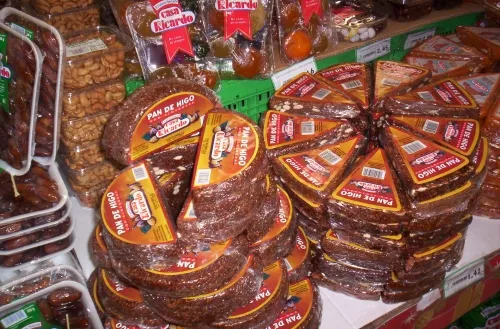
Photo: Pamela Heywood from After 16 years in Tenerife, the Costa del Geriatrico, United Kingdom, CC BY 2.0, via Wikimedia Commons
Bread gets asked to do a lot in a normal UK week. It’s breakfast on the hop, the thing that holds a lunch together, and the emergency dinner when the fridge is giving nothing. Yet the bread aisle has become oddly stressful. One loaf is “seeded”, another is “sourdough”, another has a badge on the front that makes it sound like a supplement with a crust.
The useful question isn’t whether a loaf is fashionable. It’s whether it does the jobs you actually need it to do: taste good, hold up for a few days, give you something worth eating, and not cost the earth. That’s the test. Not the wellness halo.
Start with the slice, not the slogan
A lot of bread marketing works on vibes. “Seeded” sounds virtuous, but the amount of seed can be tiny. “Sourdough” is not a protected term in the UK, so a loaf can carry the word without being made by a long, slow sourdough process. “Brown” can mean wholemeal, or it can mean white flour with some bran added back in. None of that makes the bread bad. It just means the word on the front is not the whole story.
Turn the bag over. Look at the ingredients and the nutrition panel. That’s where the practical differences live: fibre, salt, flour type, and how big a slice actually is.
Fibre: the number that earns its keep
Most UK adults don’t get enough fibre. The broad aim is around 30g a day, and bread is one of the easiest places to chip away at that. But loaves vary enormously.
A standard white loaf often sits around 2–3g fibre per 100g. A wholemeal loaf is usually closer to 6–7g per 100g. A “high-fibre” loaf must meet a specific claim threshold — at least 6g fibre per 100g — so that badge is worth something. “Seeded”, on the other hand, tells you very little on its own. Check the number.
Here’s the simple maths. If your loaf has 6g fibre per 100g and you eat two 40g slices, that’s 80g of bread and about 4.8g fibre. From a white loaf at 2.5g per 100g, the same two slices give you 2g. Over a week, that gap adds up. It doesn’t mean white bread is “bad” — it just means it isn’t doing the same fibre job.
A useful middle ground for many households is a half-and-half or wholemeal loaf you genuinely like the taste of. The best bread is the one you’ll actually finish, not the one that sits mouldering behind the kettle because it tastes like cardboard with a health certificate.
Salt: read per 100g, then do the slice maths
Bread is a meaningful source of salt in the UK diet, partly because we eat it so often. The official aim is no more than 6g salt a day for adults. Bread isn’t the only place salt comes from, but it’s worth a glance.
Look at the salt figure per 100g. Many loaves sit around 0.9–1.1g per 100g; some are higher. Then think about slice weight. A medium slice might be 35–40g, a thick slice 45–50g. Two thick slices from a loaf at 1.1g salt per 100g gives you roughly 1g salt — a sixth of the daily maximum before you’ve added butter, cheese, ham or Marmite.
This isn’t a reason to panic. It’s a reason to compare. If two loaves taste similar and one is lower in salt, that’s a straightforward swap. If you only eat one slice at a time, the difference is smaller. If you’re making rounds of sandwiches for the week, it matters more.
Keeping quality is a nutrition issue too
A loaf that goes stale or mouldy by Wednesday isn’t a bargain, even if it was cheap on Monday. Food waste is a budget issue and a practical nutrition issue. You can’t eat the fibre you threw away.
Fresh bakery loaves often taste best but stale fastest. Packaged sliced loaves usually keep longer, though “long-life” often comes with a softer crumb and a longer ingredient list. Neither is automatically better. Match the loaf to your week.
If you live alone, a big fresh sourdough loaf can be a lovely thing and a sad science experiment by Friday. A smaller loaf, a part-baked loaf, or a sliced loaf you freeze in portions may work harder for you. If the household gets through a loaf every two days, buy accordingly and don’t overthink it.
The freezer is part of the loaf’s job
Freezing bread is one of the most underrated kitchen moves. Slice it before freezing, bag it well, and take out what you need. Toast straight from frozen. For sandwiches, let a slice defrost for a few minutes or build the sandwich and let it come round in the box.
The fridge is less helpful for everyday bread — it speeds up staling, even though it slows mould. If you want to keep a loaf beyond a couple of days, the freezer is usually the better tool.
A simple loaf shortlist for a normal week
You don’t need a spreadsheet. A workable default looks something like this:
- One everyday loaf you like for toast and sandwiches. Check fibre and salt per 100g, and buy a slice size that suits your portions.
- One wholemeal or higher-fibre option if you’re trying to nudge fibre up. It can be the same loaf if you find one you enjoy.
- A freezer plan. Slice and freeze half on day one if you won’t get through it.
That’s it. The bread aisle doesn’t need a personality test. It needs a quick look at the back of the bag and a bit of honesty about how fast you eat toast.
Toast, sandwiches and the portion reality check
Bread is easy to eat quickly, which is why portion size sneaks up. Two slices of thick-cut toast with butter can be a decent breakfast, but four slices is a different meal. Thin slices aren’t automatically “healthier” either — they just change the maths.
For sandwiches, the filling does a lot of the work. A wholemeal loaf with cheese and pickle is not a balanced lunch on its own; add something crunchy or some fruit. A white roll with tuna, sweetcorn and salad can be a perfectly reasonable option. The loaf is one part of the plate, not a moral verdict.
And if you’re standing in the aisle in 2026 wondering which badge to trust, go back to the three numbers that actually help: fibre per 100g, salt per 100g, and slice weight. Then ask whether the loaf will still be worth eating on Thursday. That’s the test worth passing.