Cold Counter Crowd: A Practical Winter Guide to Cabbage, Sprouts and Kale
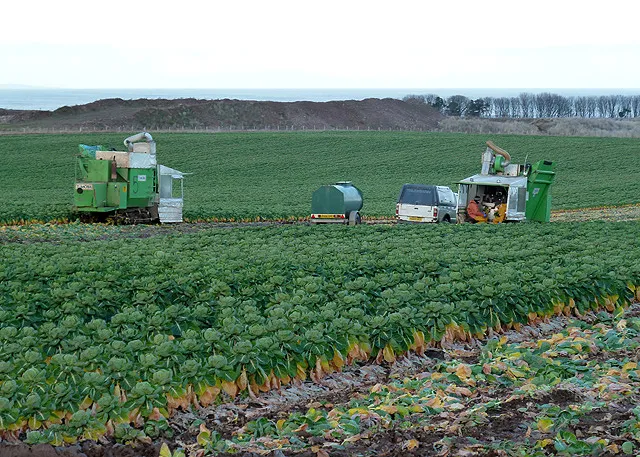
Photo: Walter Baxter , CC BY-SA 2.0, via Wikimedia Commons
At this time of year, the vegetable aisle can feel like a test of patience. Tomatoes look tired, courgettes are pricey, and yet the cold counter is quietly doing what it does every winter: piles of cabbage, nets of sprouts, bags of kale and the odd cauliflower, all cheaper than most of what sits beside them.
That is not a reason to buy them out of duty. It is a reason to get better at using them. Winter brassicas are genuinely good value, but only if they make it onto the plate in a form people actually want to eat. The default boil-to-mush routine is where most of the budget and most of the appeal disappears.
The pick is part of the bargain
A cabbage should feel heavier than it looks. Look for tight, crisp leaves, a firm core and no brown, slimy patches at the base. A savoy with crinkly leaves is brilliant for roasting and stir-frying; a white or red cabbage is the workhorse for slaw, quick pickles and shredded weeknight dishes. Smaller cabbages are not always worse value if you know you will use the whole thing rather than leave half to wilt.
Sprouts should be firm and compact, not squishy or yellowing. Smaller ones cook faster and tend to be sweeter. Kale is best when the leaves are dark, dry and springy rather than limp or yellow at the edges. Curly kale is sturdy and good in soups and traybakes; cavolo nero is more tender and works well sliced into pasta or beans.
Cauliflower is the outlier in the brassica crowd, but it belongs in the same conversation. A tight, white head with fresh green leaves is what you want. The leaves are edible, too, and roast nicely in a hot oven with a little oil and salt.
Storage is the real budget lever
A cabbage that lasts three weeks is better value than a bargain bag that turns to slime in four days. Keep whole cabbages in the fridge drawer, loosely wrapped or in a reusable bag with a little airflow. Once cut, wrap the remainder tightly and use it within a few days. Sprouts keep well in a paper bag in the drawer; plastic can trap moisture and speed up spoilage. Kale needs a bit more care: wrap the stems in damp kitchen paper, bag it loosely and check it every couple of days. Do not wash any of these until you are ready to cook, because extra moisture shortens their life.
If space is tight, cabbage and sprouts also freeze well after blanching, though they will soften. That makes them better for soups, stews and traybakes than for a crisp slaw.
Texture is the point
Brassicas are a useful source of fibre, and cabbage and sprouts bring vitamin C, while kale and sprouts add folate and vitamin K. That is a decent supporting act, not a magic trick. The practical job is to make them pleasant enough to eat often, and texture does most of that work.
Sprouts are at their best halved, tossed with oil and salt, and roasted cut-side down at 200C until the edges are dark and crisp. Cabbage is best shredded and cooked fast: a hot pan, a little oil, a pinch of salt, and three or four minutes of stirring. Add a splash of vinegar or lemon at the end. Kale can be sliced finely and massaged with oil and salt for a raw salad, or torn and roasted until the edges crisp. If you are boiling any of them, keep it brief and taste as you go.
Strong flavours help, too. Mustard, cumin, smoked paprika, garlic, chilli, lemon zest and a little grated cheese all flatter these greens. So does fat: a small amount of butter or olive oil carries flavour and makes the whole plate feel less worthy.
Three weeknight ways in
1. Sausage and cabbage traybake. Heat the oven to 200C. Halve sprouts and slice a cabbage into wedges. Toss both with oil, salt and a spoonful of mustard, then add sausages and roast for 25 to 30 minutes, turning once. Add a tin of white beans for the last ten minutes if you want it to stretch further.
2. Shredded cabbage and chickpea fry. Soften onion and garlic in a pan, add shredded cabbage and a teaspoon of cumin, and cook until just tender. Stir in a drained tin of chickpeas and warm through. Finish with lemon juice and serve in wraps or alongside rice.
3. Sprout and potato hash. Boil small potatoes until just tender, then crush them lightly. Halve sprouts and fry both in a wide pan with oil, salt and a little smoked paprika until the edges catch. Top with a fried egg if that is how your household likes dinner to look.
Kale fits into any of these: stir a handful into the chickpea pan at the end, or roast torn leaves alongside the sausages for the last eight minutes.
A small note on cauliflower
Cauliflower is not as cheap as cabbage, but it is still good value when it is in season. Break it into florets, toss with oil and salt, and roast at 200C for 20 to 25 minutes. Add the leaves for the last ten minutes. A spoonful of yoghurt with lemon and garlic turns it into something more interesting than a side dish.
The takeaway
Winter greens do not need a campaign. They need a bit of fridge space, a hot oven or a wide pan, and enough seasoning to make them taste like food rather than penance. Buy them firm, store them dry, cook them fast or roast them hard, and they will do more than fill a gap on the plate. They will quietly make the weekly shop go further.