Beyond Beige: Slow-Cooker Winter Meals With Colour, Fibre and Bite

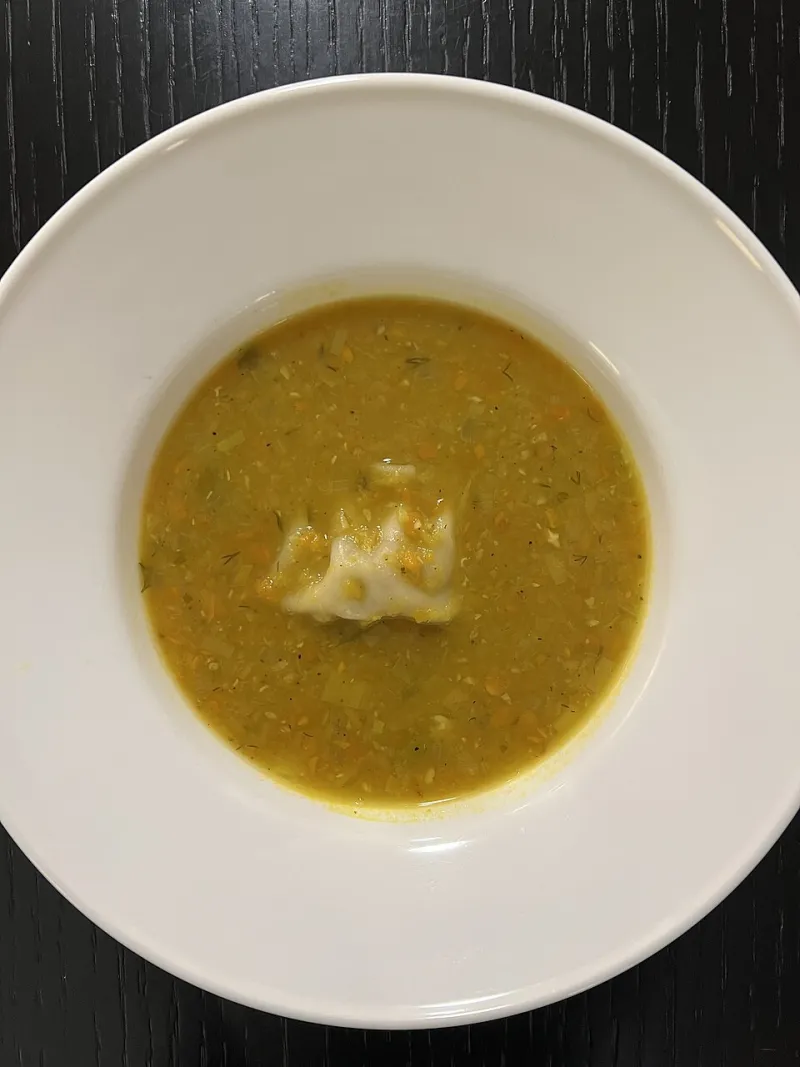
Photo: slow cooker winter vegetable stew with lentils and greens in UK kitchen overhead, via leadlifewell.com
Slow cookers have a reputation problem. They’re sold as the answer to everything from energy bills to busy evenings, then people use them twice, make a grey stew, and put them back in the cupboard next to the bread maker. That’s a shame, because a slow cooker is genuinely useful in a UK winter — not as a magic dinner machine, but as a low-effort way to get a balanced pot on the table when it’s dark at 4pm.
The trick is to stop treating it as a stew-only device. You want colour, fibre, protein and a bit of bite. You also want to avoid the classic pitfalls: underseasoned meat, vegetables that collapse into nothing, and that faintly watery flavour you get when everything has been cooked to the same softness.
Why the slow cooker still earns its plug space
A slow cooker often uses less energy than a full oven because it’s a small, insulated box doing a long, gentle job. It isn’t automatically cheap if you run it for eight hours, and the savings depend on your tariff and what you’d otherwise be doing. But if the alternative is heating a big oven for two hours to cook a casserole, the slow cooker usually makes sense.
The other practical win is timing. You can load it in the morning, go to work, and come back to something hot. That matters in November, when the temptation is to order something or default to toast. The goal isn’t to be virtuous; it’s to make the easier option a reasonably balanced one.
The formula: base, bulk, protein, green thing, finishing touch
A good slow-cooker meal isn’t just meat plus stock. Think in five parts.
Base: onions, leeks, celery, carrots — the flavour foundation. Soften them in a pan first if you can. It takes five minutes and makes a noticeable difference, but it’s not mandatory on a chaotic Tuesday.
Bulk: something starchy or fibre-rich that holds its shape or thickens the pot. Pearl barley, red lentils, split peas, potatoes, celeriac, swede or squash all work. Use one or two, not all of them.
Protein: chicken thighs, beef shin, pork shoulder, tinned beans, lentils, tofu or a mix. Thighs and shin are forgiving in a slow cooker; lean chicken breast and lean steak are less so.
Green thing: this is where most slow-cooker meals fall down. Add a handful of frozen peas at the end, stir through shredded Savoy cabbage for the last 20 minutes, or serve with steamed broccoli. You need something fresh-tasting and green on the plate, even if it wasn’t in the pot all day.
Finishing touch: lemon juice, vinegar, yoghurt, mustard, fresh herbs, toasted seeds or a drizzle of olive oil. This is not decoration. It’s the difference between a pot that tastes finished and one that tastes like it’s missing something.
Fibre is where most one-pots fall down
A stew can be hearty and still be low in fibre. If it’s mostly meat, stock and a few carrots, you’re not getting much for your gut microbes. Aim to include at least two fibre-rich additions: lentils, beans, barley, wholewheat couscous on the side, or a decent portion of vegetables.
Red lentils are the easiest cheat here because they dissolve and thicken the sauce without making it feel worthy. Pearl barley gives a chewier texture and works well with beef or mushrooms. Tinned beans are already cooked, so stir them in near the end to avoid them going mushy. If you’re using dried kidney beans, they need a hard boil for at least 10 minutes before they go anywhere near a slow cooker — tinned ones are already cooked and safe.
Texture: the fix isn’t more gravy
Slow-cooked food can become samey. The answer isn’t to add more stock or flour; it’s to introduce contrast. Serve with something crisp — toast, a baked potato skin, a handful of cabbage quickly fried with garlic, or a scattering of toasted pumpkin seeds. Add a spoon of yoghurt or a squeeze of lemon at the table. Keep some vegetables out of the long cook: frozen peas, spinach, spring greens and herbs all do better added near the end.
If you want distinct grains rather than a thick porridge, cook rice, couscous or barley separately. It’s one extra pan, but it gives you control. A slow cooker is meant to make dinner easier, not to force every component into the same texture.
Seasoning: taste at the end, not just the start
Slow cooking mutes flavours. What tasted well seasoned at 8am can taste flat at 6pm. Season in layers: salt the meat, use stock, add soy sauce or miso if it suits the dish, then taste before serving and adjust. Don’t rely on a stock cube alone — they vary wildly in salt. If you’re watching salt, use a low-salt stock and add acidity and herbs for flavour instead.
Pepper, smoked paprika, cumin and dried herbs all hold up reasonably well. Fresh basil won’t. Add delicate herbs at the end, or use them as a garnish. A little vinegar or lemon at the end often does more for a slow-cooked pot than another pinch of salt.
Food safety bits that actually matter
Slow cookers are safe when used properly, but they’re not a free pass. Don’t cook from frozen — thaw meat and poultry first. Don’t fill the pot to the brim; leave room for heat to circulate. Keep the lid on; every time you lift it, you lose heat. Check that chicken reaches 74C and that stews are piping hot throughout before serving.
Cool leftovers quickly, ideally within 90 minutes to two hours, then refrigerate. Reheat until steaming hot and don’t reheat more than once. These are ordinary kitchen rules, not slow-cooker-specific panic, but they matter more when food has been cooking gently for hours.
A realistic weeknight template
Try this: brown a few chicken thighs, soften a leek and two carrots, add a tin of tomatoes, a splash of stock, a cup of red lentils and a teaspoon of smoked paprika. Cook low for six to seven hours. Before serving, stir through a handful of frozen peas and a squeeze of lemon, then taste for salt. Serve with bread or potatoes and a pile of quickly steamed greens. That’s a balanced winter meal with fibre, protein and vegetables — and no beige sludge in sight.
What doesn’t work
Lean cuts can dry out. Delicate vegetables turn to mush. Cream can split if added too early. And a slow cooker won’t brown food for you, so if you want deep flavour, brown the meat and onions first. If you skip that step, use stronger flavours — tomato paste, soy sauce, dried mushrooms — to compensate.
The slow cooker isn’t a shortcut to perfect cooking. It’s a useful tool for making a balanced winter pot with less hands-on time. Treat it like a patient assistant, not a magician, and it’ll earn its place on the counter all season.