Tins, Not Trends: A 2026 Guide to Omega-3s from the UK Fish Aisle
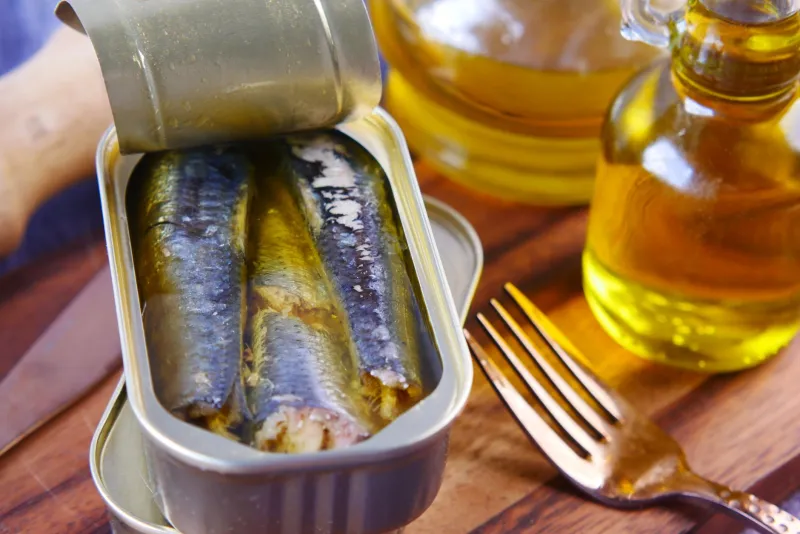
Walk into any UK supermarket in 2026 and the tinned fish shelf is doing a lot of quiet work. It sits between the baked beans and the instant noodles, usually near the bottom, often overlooked because it does not look like a health trend. That is exactly why it is worth a second look.
Tinned fish is not a compromise. For many households it is a practical way to get more fish into the week without paying fresh-counter prices or worrying about whether a fillet will still be good on Thursday. The trick is to shop the shelf with a few clear questions: what fish is it, what is it packed in, how salty is it, and what does a real portion cost?
Start with the tin, not the trend
Omega-3 fats are the main reason oily fish gets so much attention. They are a family of fats that includes EPA and DHA, the types found in fish and seafood, plus ALA from plant sources such as flaxseed and walnuts. UK healthy-eating advice generally points people towards at least one portion of oily fish a week, alongside other fish. Tinned mackerel, sardines and pilchards are oily fish. Tinned tuna is a bit different: fresh tuna counts as oily fish, but canned tuna is not counted in the same way because the canning process reduces the oil content.
That does not make tuna a bad buy. It is lean, useful and easy to keep in the cupboard. It simply means tuna is not the tin to lean on if omega-3s are your main goal.
What omega-3 actually means on a label
If you want to compare tins, look for the fish first, not the front-of-pack claims. Mackerel, sardines and pilchards are the reliable oily-fish options on a budget shelf. A tin of sardines in olive oil will usually give you more omega-3 than a tin of tuna in brine, even if the tuna costs more.
Labels rarely shout about omega-3 numbers in a way that is easy to compare across brands. Some do give a figure, often per 100g or per drained portion. If it is there, use it. If it is not, do not panic. You can make a sensible choice by choosing oily fish more often and treating tuna as a lean protein rather than an omega-3 powerhouse.
The four tins worth knowing
Mackerel. Rich, firm and strongly flavoured. Tinned mackerel works well in a mustardy dressing, flaked through warm potatoes, or mashed onto toast with lemon. It is often one of the best value oily fish tins on the shelf.
Sardines. Smaller fish, bigger flavour. Sardines in olive oil or tomato sauce are a classic for good reason. They are usually cheap, and the bones are soft enough to eat, which adds calcium. If you dislike the texture, mash them into a sauce or spread rather than serving them whole.
Pilchards. These are small oily fish, often sold in tomato sauce. They tend to be very budget-friendly and work well in a quick pasta sauce or on toast. The sauce can be salty, so taste before you add more seasoning.
Tuna. Lean, versatile and familiar. Choose tuna in spring water or brine if you want fewer calories from oil, or tuna in olive oil if you want something richer for a salad. Either way, check the salt and drain it well.
Oil, brine and salt: the label bits that matter
Oil-packed fish is not automatically unhealthy. Olive oil adds flavour and some fat, and it can help you use less mayo or dressing later. But if you are watching calories, spring water or brine is a straightforward swap. Drain oil-packed fish if the recipe does not need it, and do not pour the oil into a dressing unless you actually want it.
Salt is the bigger label trap. Brine and sauces can push sodium up quickly, especially in tomato-sauce pilchards or flavoured tuna. Compare the salt per 100g between brands and choose the lower one when you can. If you are using a salty tin, balance it with plain rice, potatoes, vegetables or beans rather than adding more salt at the stove.
Price per portion beats price per tin
A 49p tin is not automatically better value than a £1.20 tin if one gives you a proper portion and the other gives you a thimbleful. Check the drained weight, then roughly divide the price by the number of portions you will realistically get. A standard tin of sardines or mackerel often does one generous portion or two smaller ones in a meal. Tuna is similar. That maths matters more than the big number on the shelf edge.
Also compare like with like. A tin in sunflower oil is not the same product as one in olive oil, and a plain sardine is not the same as a flavoured one. Buy the plain version if you want to control salt and add your own flavour. Buy the flavoured one if it genuinely gets you eating fish on a Tuesday night, which is a valid win.
Three winter meals from a tin
Sardine toast with lemon and rocket. Mash a drained tin of sardines with a little mustard, lemon juice and black pepper. Pile onto wholemeal toast and add rocket or watercress. It takes five minutes and works as lunch or a light supper.
Mackerel and potato bowl. Boil or microwave a couple of potatoes, then flake in tinned mackerel, a spoon of natural yoghurt, chopped spring onion and plenty of black pepper. Add frozen peas while the potatoes cook. This is a proper winter bowl: warm, filling and cheaper than most takeaway lunches.
Pilchard pasta. Warm a tin of pilchards in tomato sauce with a chopped onion, a pinch of chilli or paprika and a splash of water. Stir through cooked pasta and finish with frozen spinach. It is not glamorous, but it is quick, filling and uses ingredients most of us already have.
A sensible shopping list
If you are building a small tinned-fish shelf for winter, start with two or three tins of oily fish in water, brine or olive oil, one tin of tuna, and one flavoured tin for a night when you need dinner to be easier. Add lemons, mustard, frozen peas, wholemeal bread and a bag of potatoes. That is enough to make several meals without turning your cupboard into a museum of good intentions.
The £1 fish shelf is not a magic bullet, and tinned fish is not the only way to eat well. But in 2026, with food prices still demanding attention, it is one of the most useful corners of the supermarket. Buy the oily tins more often, read the salt line, drain the brine, and let the tin do some of the work.