Small Shop, Proper Tea: A £7 Dinner for Two From the Corner Store
Some evenings the plan collapses somewhere between the train delay and the empty fridge. The big shop didn’t happen, the corner shop is the only thing open, and the shelves look like a challenge rather than a menu. It’s worth saying plainly: that isn’t a failure of planning or character. It’s just a different starting point.
A small convenience store won’t give you the range of a supermarket, but it can usually give you enough to make a proper plate. The trick is to stop looking for a recipe and start looking for a few jobs: something protein-rich, something fibre-rich, something colourful, something filling, and something that makes it taste like dinner rather than an emergency.
Drop the guilt first
Convenience shopping gets a bad reputation, often unfairly. Yes, the unit prices are usually higher and the fresh range is smaller. But a meal built from eggs, tinned pulses, frozen veg and wholemeal bread can still be balanced and enjoyable. The goal isn’t a perfect shop. It’s a decent tea.
Think of it as assembling rather than cooking from scratch. You’re not trying to recreate a Sunday supplement recipe. You’re trying to get warm food, some protein, some fibre and a bit of colour onto two plates without spending £20 on random items.
The five-part plate
When you’re standing in a small shop, use a simple check: protein, fibre, colour, energy and flavour.
Protein might be eggs, tinned beans or chickpeas, yoghurt, cheese, tinned fish or a handful of nuts. Fibre might come from wholemeal bread, frozen peas and sweetcorn, tinned pulses or fruit. Colour is often frozen veg or a tomato. Energy is the bread, rice, potatoes or pasta. Flavour is the bit people forget: a jar of chilli sauce, a lemon, some herbs, a spoon of pesto, a stock cube. Without it, even a nutritionally sensible plate feels like a chore.
This isn’t a rigid formula. It’s just a way to avoid coming out of the shop with a sad combination of crisps and a cereal bar.
What to reach for first
Eggs are usually the strongest corner-shop dinner buy. They’re versatile, quick and a reliable source of protein. A box of six will often cover dinner for two with leftovers, or breakfast the next day.
Tinned pulses are the quiet heroes of the small shop. Chickpeas, kidney beans, butter beans and lentils are cheap, fibre-rich and filling. Compare the own-brand tin with the branded one — the difference is often £1 or more for the same basic job. If the shop has only one type, take it.
Frozen vegetables are usually better value than fresh in a convenience store, and they don’t punish you for not using them immediately. A bag of mixed veg, peas or spinach can turn eggs and pulses into something that looks intentional.
For energy, wholemeal bread, rolls, pitta or wraps are worth looking for. Wholemeal gives you more fibre than white, but if only white is available, that’s fine — the rest of the plate still counts.
Fruit is often overlooked as part of dinner, but a banana, an apple or a couple of easy peelers make a simple pudding and add fibre. Natural yoghurt, if it’s there, turns fruit into something a bit more satisfying.
A worked dinner for two: around £7.40
Prices vary by shop and location, so treat these as a rough guide rather than a promise. The point is the structure.
- Box of six eggs: about £1.99
- Tin of chickpeas: about £0.69
- Bag of frozen mixed vegetables: about £1.20
- Pack of wholemeal rolls or pitta: about £0.85
- Two tomatoes or a small pack: about £0.75
- Two apples or bananas: about £0.80
- Small pot of natural yoghurt: about £0.90
Total: roughly £7.18–£7.40.
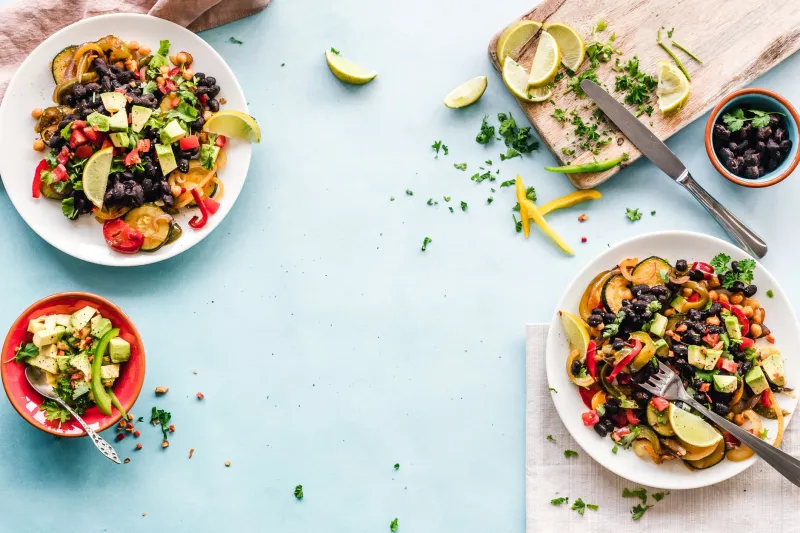
For dinner, use four of the eggs, the whole tin of chickpeas (drained), half the frozen veg and the tomatoes. Warm the chickpeas and veg in a pan with a little oil or butter if you have it, then push them to one side, add the eggs and scramble or fry them gently. Season properly. Toast or warm the rolls. Put the tomatoes on the side, or chop them through if they’re a bit soft.
That gives you protein from the eggs and chickpeas, fibre from the chickpeas, wholemeal rolls and veg, colour from the tomatoes and mixed veg, and enough energy to stop you hunting for biscuits an hour later. Keep the yoghurt and fruit for pudding. You’ll still have two eggs left for tomorrow.
If the shelves are thin
Swap the chickpeas for tinned beans, lentils or even tinned spaghetti hoops if that’s what’s there — the fibre and protein will be lower, but it’s still food. Swap the rolls for a small loaf, crackers or rice if the shop has a microwaveable pouch. Swap the yoghurt for a couple of extra pieces of fruit.
If there’s no frozen veg, look for a bag of prepared salad, a cucumber, a pepper or a jar of roasted peppers. If there’s no fresh fruit, tinned fruit in juice is a perfectly reasonable option. If the only eggs are expensive, compare them with tinned fish or cheese — both can anchor a small-shop dinner.
Make it taste like dinner
This is the part that saves the meal. A stock cube, soy sauce, chilli sauce, curry powder, a lemon, a jar of garlic paste or a spoon of pesto can make the same three ingredients taste completely different. If you’re buying one “extra” beyond the basics, buy flavour. It’s often the difference between a plate you tolerate and a plate you enjoy.
And if you end up with bread, cheese and an apple, that’s still dinner. The corner shop isn’t a test of your worth. It’s just a shop. Build a plate that holds together, eat it warm, and start again tomorrow.